
Ingrown Nail Structural Correction
What is Ingrown Nail Structural Correction?
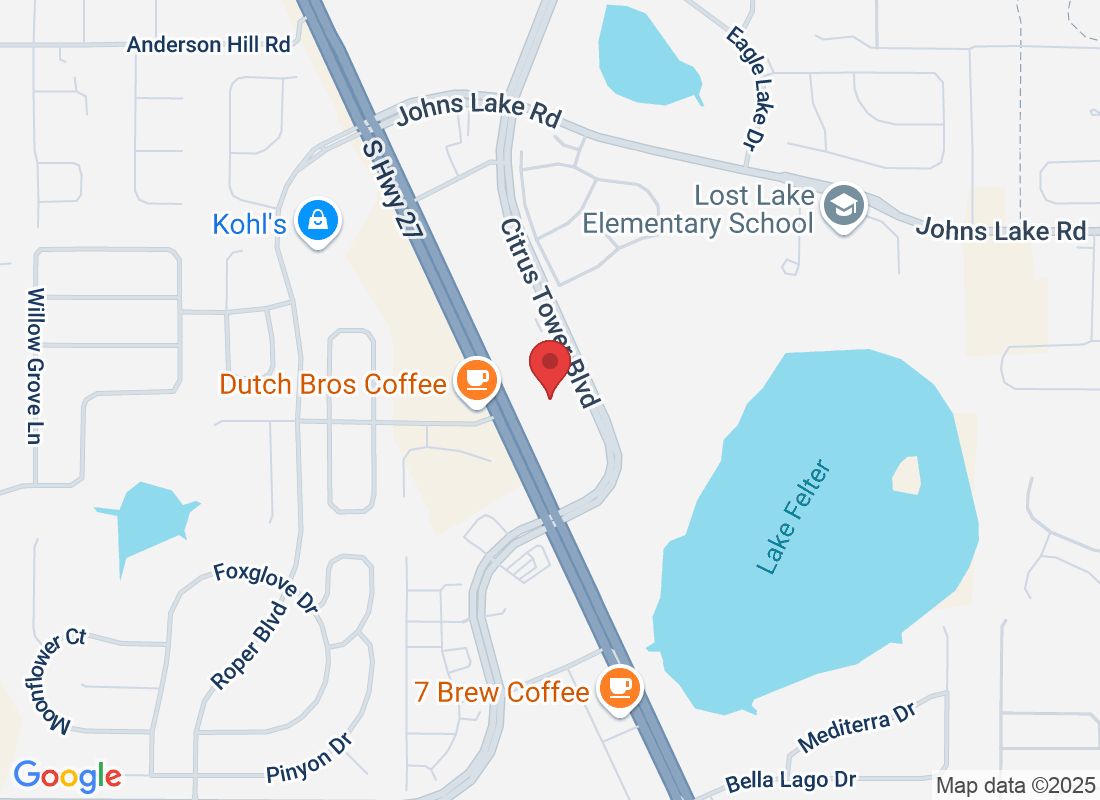
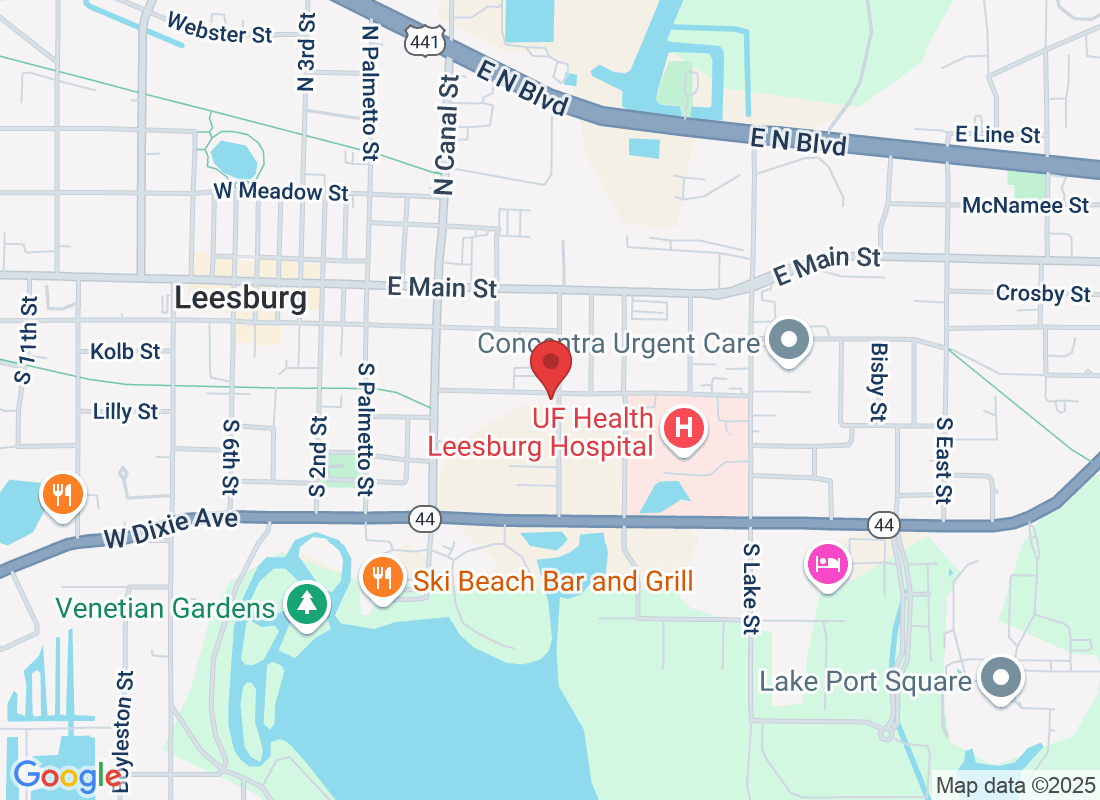
Ingrown toenails, medically known as onychocryptosis, occur when the edges of the toenail grow into the surrounding skin, leading to pain, swelling, and potential infection. At the Center for Ankle and Foot Care, located in Clermont and Leesburg, Florida, we specialize in addressing this common yet distressing condition through a thorough approach to structural correction.
What Causes Ingrown Toenails?
Understanding the causes of ingrown toenails is crucial to preventing and managing this condition. Several factors may contribute, including:
- Poor-fitting footwear: Shoes that are too tight or narrow can push the nail into the skin.
- Improper nail trimming: Cutting nails too short or rounding the edges can increase the likelihood of an ingrown nail.
- Genetic predisposition: Some individuals may inherit a tendency to have curved nail shapes.
- Injury: Trauma or repeated pressure to the toe can lead to ingrown toenails.
- Medical conditions: Conditions such as diabetes or fungal infections can exacerbate the risk.
How Can I Treat Ingrown Toenails?
Effective management of ingrown toenails depends on the severity of the condition. Immediate treatment can help alleviate pain and prevent complications.
Home Remedies
For mild cases, individuals can try the following:
- Soaking: Soak the toe in warm, soapy water for 15-20 minutes several times a day to reduce inflammation.
- Elevation: Keep the foot elevated to minimize swelling.
- Relieving pressure: Avoid tight footwear and consider using open-toe shoes.
Professional Medical Treatment
For persistent or severe ingrown toenails, a visit to our specialists at the Center for Ankle and Foot Care is recommended. We offer several medical treatments:
- Partial nail avulsion: This procedure involves removing a portion of the toenail to allow for proper healing and to relieve pain.
- Wedge resection: Suitable for recurrent cases, this technique removes a wedge of nail and underlying tissue to prevent regrowth into the skin.
- Matrixectomy: In cases of chronic ingrowth, the matrix (the tissue that forms the nail) may be destroyed to prevent further nail growth.
What Are the Risks of Ingrown Toenails?
If left untreated, ingrown toenails can lead to several complications:
- Infection: The area may become infected, resulting in pus formation and increased pain.
- Abscess formation: In severe cases, an abscess may develop around the ingrown toenail.
- Bone infection: In severe infections, there is a risk of osteomyelitis, an infection of the bone.
- Chronic pain: Prolonged pressure and irritation can lead to chronic discomfort.
Can Ingrown Nails be Prevented?
Prevention is key in managing ingrown toenails. Here are some practical tips to maintain healthy toenails:
- Proper nail trimming: Cut nails straight across without rounding the corners.
- Wear appropriate footwear: Choose shoes that fit well and provide ample space for the toes.
- Maintain foot hygiene: Keep feet clean and dry to reduce the risk of fungal infections.
- Avoid trauma: Take precautions to protect the feet during activities that could lead to injury.
Frequently Asked Questions (FAQ)
1. How do I know if I have an ingrown toenail?
Common signs include pain along the sides of the toenail, redness, swelling, and, in some cases, drainage of pus.
2. Is it painful to have an ingrown toenail treated?
While you may experience some discomfort during the treatment, local anesthesia is typically used to minimize pain.
3. How long does it take to recover from ingrown toenail treatment?
Recovery time varies; however, most patients can return to normal activities within a few days post-treatment.
4. Can I still wear shoes after treatment?
It is recommended to wear open-toed shoes or loose-fitting footwear until the toe heals.
5. Will my ingrown toenail come back after treatment?
With proper care and treatment, recurrence is minimized, especially if preventive measures are followed.
Conclusion
Ingrown toenails can be a painful condition that greatly affects your daily life. At the Center for Ankle and Foot Care, serving the communities in Clermont and Leesburg, Florida, our dedicated team is ready to provide personalized care and effective treatments for ingrown nails. Don't let pain hold you back—book your appointment today to start your journey to healthier feet.