
Clermont’s Guide to Plantar Fasciitis Recovery Without Injections
Understanding Plantar Fasciitis
Plantar fasciitis is a common foot condition characterized by inflammation of the plantar fascia, a thick band of tissue that runs along the bottom of your foot, connecting the heel bone to the toes. Patients often experience stabbing pain, particularly with the first steps in the morning or after long periods of sitting.
What Causes Plantar Fasciitis?
Several factors can contribute to plantar fasciitis, including:
- Overuse: High-impact activities, such as running or jumping, can strain the plantar fascia.
- Poor Foot Mechanics: Flat feet, high arches, or abnormal walking patterns can increase tension on the fascia.
- Age: The condition is more prevalent in middle-aged individuals, though it can affect anyone.
- Obesity: Excess weight adds additional stress to the plantar fascia.
- Improper Footwear: Shoes lacking proper arch support, cushioning, or a wide toe box can contribute to foot pain.
How Can I Treat Plantar Fasciitis Without Injections?
Many effective treatments for plantar fasciitis are available that do not require injections. Here are some evidence-based strategies provided by the Center for Ankle and Foot Care in Clermont, Florida:
1. Physical Therapy
A personalized physical therapy program can include:
- Stretching Exercises: Targeting the calf muscles and Plantar fascia can provide relief.
- Strengthening Exercises: Building strength in the foot and ankle muscles helps support the arch.
- Manual Therapy: Techniques to improve flexibility and relieve tension.
2. Orthotic Devices
Custom orthotics or over-the-counter arch supports can help align your foot and distribute pressure evenly, reducing pain and preventing further injury.
3. Ice Therapy
Applying ice to the affected area can reduce inflammation and alleviate pain. Try using an ice pack for 15-20 minutes several times a day, especially after activity.
4. Night Splints
Wearing a night splint can help maintain the foot in a dorsiflexed position while you sleep, gently stretching the plantar fascia and calf muscles.
5. Activity Modification
Adjusting your activities can prevent exacerbation of symptoms. Low-impact exercises such as swimming or cycling can be beneficial alternatives.
When Should I See a Doctor?
If your pain persists despite at-home treatments, or if you experience severe symptoms, it may be time to consult a specialist. The Center for Ankle and Foot Care can provide a comprehensive evaluation and suggest advanced treatment options if necessary.
FAQs About Plantar Fasciitis
1. What are the early signs of plantar fasciitis?
Early signs typically include sharp heel pain that is most prominent with the first steps in the morning or after long periods of inactivity.
2. Can plantar fasciitis heal on its own?
Yes, many cases improve with proper care, but without treatment, symptoms may persist or worsen.
3. Are there risk factors I should consider?
Risk factors include age, obesity, certain sports activities, and occupations requiring prolonged standing or walking.
4. How long does recovery typically take?
Recovery can vary from a few weeks to several months, depending on the severity of the condition and adherence to treatment protocols.
5. Is surgery ever necessary for plantar fasciitis?
Surgery is rare and usually considered only after conservative treatments have failed over several months.
Take the First Step Towards Recovery
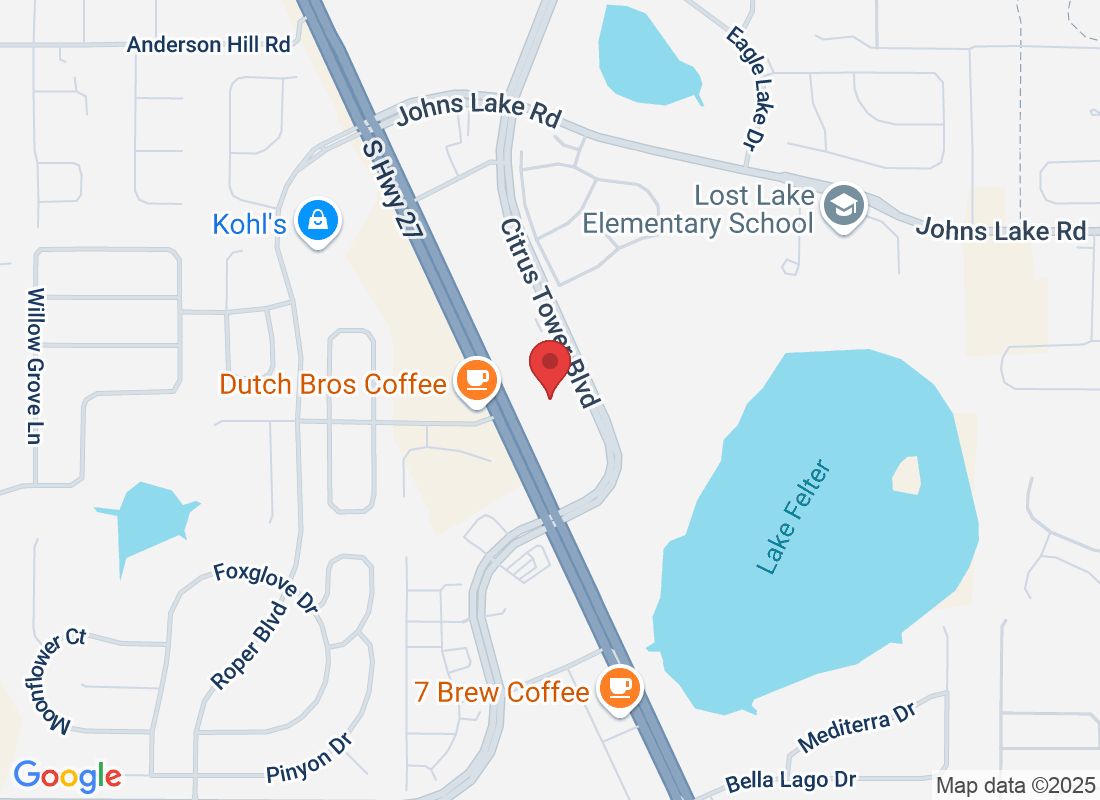
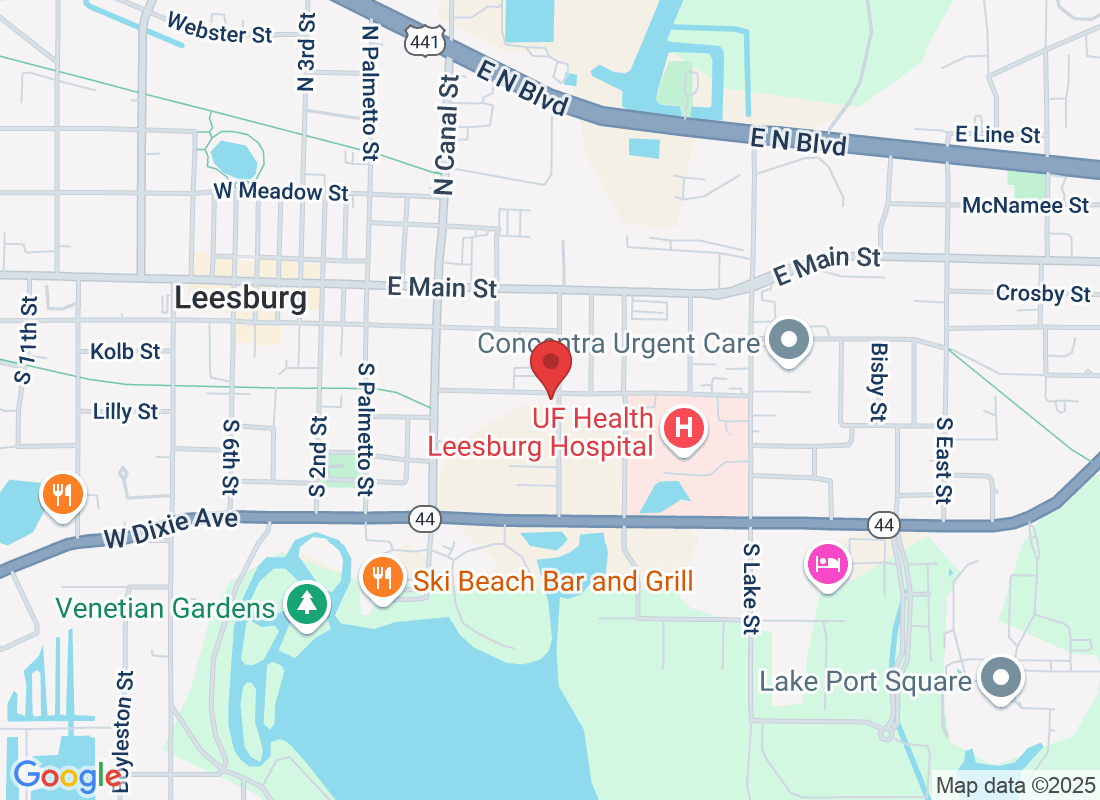
If you're suffering from plantar fasciitis, the Center for Ankle and Foot Care in Clermont and Leesburg, Florida, is here to help you navigate your recovery journey without injections. Book an appointment today and start your path to relief.