
Chronic Ankle Instability and Functional Movement
Understanding Chronic Ankle Instability
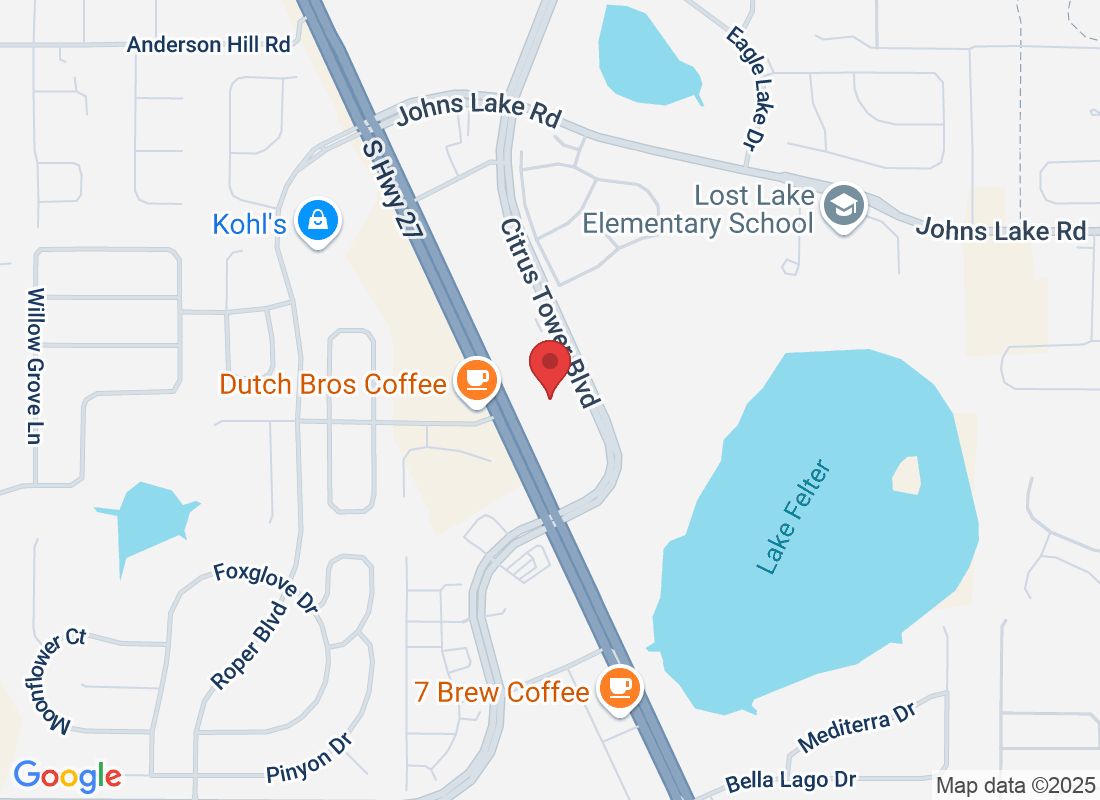
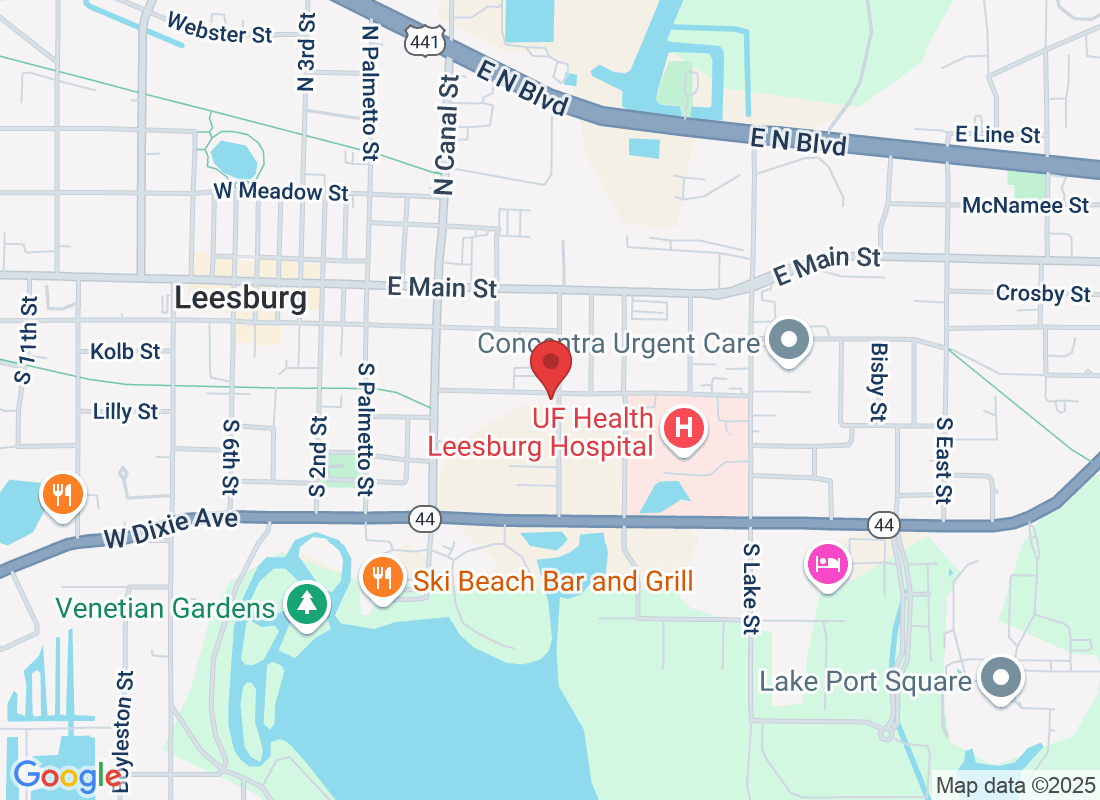
Chronic ankle instability (CAI) is a common condition that affects individuals who have experienced repeated ankle sprains. At the Center for Ankle and Foot Care in Clermont and Leesburg, Florida, we recognize the enduring implications chronic ankle instability has on functional movement and overall quality of life for our patients.
What Causes Chronic Ankle Instability?
The primary cause of chronic ankle instability commonly stems from a previous ankle sprain that was inadequately rehabilitated. Additional contributing factors may include:
- Weakness in the ankle's supporting muscles
- Insufficient proprioception (awareness of joint position)
- Structural abnormalities, such as flat feet or high arches
- Improper footwear that fails to provide adequate support
What are the Symptoms of Chronic Ankle Instability?
Patients with CAI may experience a variety of symptoms, including:
- Frequent ankle sprains
- Persistent pain and swelling
- Specific discomfort when walking on uneven surfaces
- Locking or giving way of the ankle during activities
- A decreased range of motion in the ankle joint
How Does Chronic Ankle Instability Affect Functional Movement?
Chronic ankle instability can severely impact an individual’s ability to perform daily activities. The instability not only results in physical discomfort but can also lead to a fear of re-injury, significantly affecting movement patterns. Patients may alter their gait to accommodate the instability, leading to compensatory issues in the knees and hips. This ripple effect can contribute to further musculoskeletal disorders if left untreated.
How Can I Treat Chronic Ankle Instability?
Treatment for chronic ankle instability generally adopts a multifaceted approach, which can include:
- Physical Therapy: A tailored program focusing on strength training, proprioception exercises, and balance training is essential for restoring stability.
- Bracing: The use of ankle braces during physical activity can provide additional support and prevent further injuries.
- Injections: Corticosteroid or hyaluronic acid injections can help alleviate inflammation and pain, facilitating rehabilitation.
- Surgery: In cases where conservative treatments fail, surgical options such as ligament reconstruction may be recommended for long-term stability.
What Can I Do at Home to Manage Symptoms?
In addition to seeking professional care at the Center for Ankle and Foot Care, there are several self-care strategies you can employ at home:
- Rest: Avoiding activities that exacerbate pain.
- Icing: Applying ice packs to reduce swelling for 15-20 minutes several times a day.
- Compression: Using compression garments to help limit swelling.
- Elevation: Keeping the affected ankle elevated can assist in reducing inflammation.
Frequently Asked Questions (FAQs)
1. How do I know if I have chronic ankle instability?
If you experience repeated ankle sprains, ongoing pain, and a sensation of instability, it's advisable to consult with a specialist at our clinic for a thorough evaluation.
2. Can chronic ankle instability be prevented?
Preventative measures include engaging in ankle strengthening exercises, avoiding high-risk activities, and wearing appropriately supportive footwear.
3. How long does recovery take?
The recovery timeline varies depending on the severity of the instability and adherence to treatment, but it typically ranges from several weeks to several months.
4. Is surgery effective in treating chronic ankle instability?
Surgery is often effective, especially when conservative methods fail, and many patients report significant improvement in stability and reduction in pain following surgical intervention.
5. What types of doctors treat chronic ankle instability?
Podiatrists, orthopedic surgeons, and physical therapists specialize in treating chronic ankle instability and can collaborate to develop a comprehensive care plan.
Conclusion
Understanding chronic ankle instability and its implications on functional movement is essential for effective treatment and management. The Center for Ankle and Foot Care in Clermont and Leesburg, Florida, is dedicated to helping you regain your mobility and reduce the risk of future injuries. Don’t let chronic ankle instability hold you back. Book an appointment today and take the first step towards recovery!