
Ankle Instability and Reinjury Risk
Understanding Ankle Instability
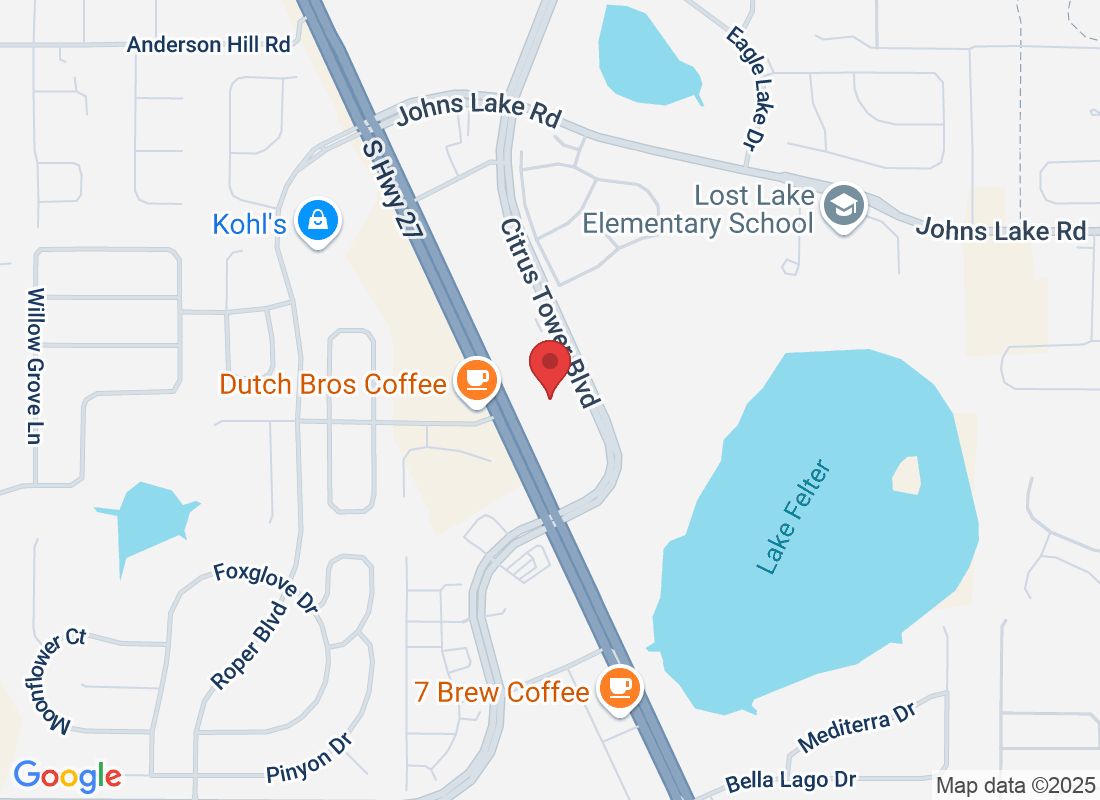
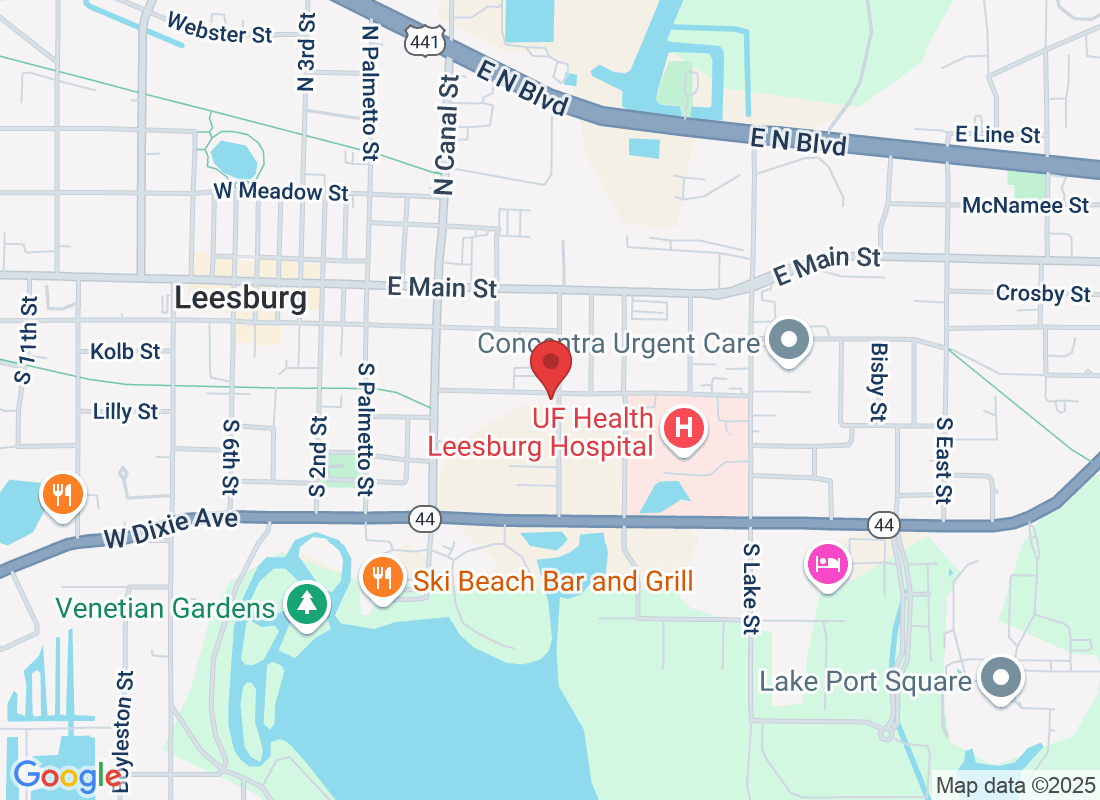
At the Center for Ankle and Foot Care, located in Clermont and Leesburg, Florida, we understand how debilitating ankle instability can be. This condition, often arising from a previous ankle sprain or injury, leads to a feeling of the ankle 'giving way' and significantly increases the risk of reinjury. In this article, we’ll explore the causes, risk factors, and treatment options available to help you strengthen your ankle and regain stability.
What Causes Ankle Instability?
Ankle instability can be caused by several factors:
- Previous Injuries: A history of ankle sprains, especially if not properly rehabilitated, is the leading cause of instability.
- Ligament Damage: Damage to the lateral ankle ligaments, such as the anterior talofibular ligament (ATFL), can impair joint stability.
- Weak Muscles: Weakened peroneal muscles, which stabilize the ankle, contribute to instability.
- Proprioceptive Deficits: Loss of proprioception, or the body's ability to sense its position in space, can lead to poor balance and increase the risk of falls.
Who Is at Risk for Ankle Instability?
Individuals at risk for ankle instability typically include:
- Athletes, particularly those involved in sports requiring quick lateral movements, like basketball or soccer.
- People with physical jobs that put stress on the ankles, like construction or warehousing.
- Individuals who have a history of multiple ankle sprains.
- Those with previous ankle fractures or instability syndromes.
What Are the Symptoms of Ankle Instability?
Symptoms of ankle instability often include:
- A feeling of the ankle giving way.
- Frequent sprains or a tendency to turn the ankle easily.
- Swelling, pain, and tenderness around the ankle joint.
- Difficulty walking over uneven surfaces or returning to sports activities.
How Can I Treat Ankle Instability?
Treating ankle instability effectively requires a multifaceted approach:
- Physical Therapy: A tailored physical therapy program can strengthen the ankle muscles, improve balance, and restore proprioception.
- Bracing: An ankle brace can provide additional stabilization during physical activities, reducing the risk of reinjury.
- Activity Modification: Avoiding high-risk activities that exacerbate instability until full recovery is achieved is crucial.
- Surgical Options: In severe cases, surgical intervention may be necessary to repair damaged ligaments and restore stability.
What is the Prognosis for Ankle Instability?
The prognosis for individuals with ankle instability is generally positive, especially with appropriate treatment. Many patients experience significant improvement in ankle stability and functionality following rehabilitation or surgical procedures. Long-term outcomes largely depend on the severity of the instability, compliance with rehabilitation exercises, and changes made to lifestyle habits.
Preventing Ankle Reinjury
To prevent reinjury, consider the following strategies:
- Engage in regular strength training and balance exercises.
- Use supportive footwear, especially during physical activities.
- Gradually return to sports or high-impact activities under the guidance of a healthcare professional.
- Maintain a healthy weight to reduce stress on the ankles.
Frequently Asked Questions
1. How do I know if I have ankle instability?
If you experience frequent rolling or twisting of your ankle, a sensation of giving way, or persistent pain, you should consult a healthcare provider for evaluation.
2. Can ankle instability heal on its own?
While some mild cases may improve with rest and conservative treatments, many require structured physical therapy and possibly surgical intervention for proper healing.
3. How long does rehabilitation take for ankle instability?
Rehabilitation duration varies based on the severity of the condition but can typically range from several weeks to a few months with commitment to the therapy program.
4. Is surgery always necessary for ankle instability?
No, surgery is not always required; conservative treatments are effective for many individuals, but surgery may be indicated in cases of severe instability or persistent symptoms despite rehabilitation.
5. What should I do if I reinjure my ankle?
If you reinjure your ankle, immediately follow RICE (Rest, Ice, Compression, Elevation), and consult our team at the Center for Ankle and Foot Care for further evaluation and treatment.
Conclusion
Ankle instability can be a challenging condition that impacts your overall mobility and quality of life. At the Center for Ankle and Foot Care, we are dedicated to providing comprehensive care for residents of Clermont and Leesburg, Florida. If you’re experiencing symptoms of ankle instability or have concerns about your ankle health, please don’t hesitate to book an appointment with us today. Our expert team is here to help you regain your strength and confidence!